

Everything You Need to Know About Print Finishes
September 1, 2026
How to Design the Perfect Roller Banner
September 8, 2026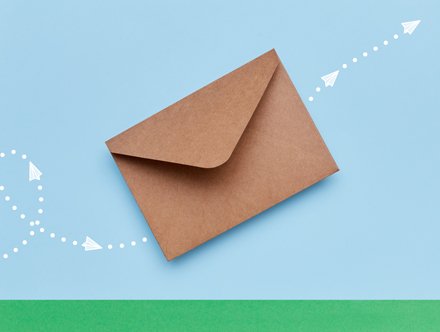
With inboxes overflowing, social feeds and online advertising competing for attention, getting your marketing noticed isn’t always easy. Sometimes, going offline can be exactly what a campaign needs.
Direct mail gives businesses and charities an opportunity to put something tangible directly into the hands of their audience. Whether it’s a flyer promoting an offer, a personalised fundraising appeal, or a carefully designed introduction to your business, physical mail creates a very different interaction from something viewed on a screen.
Why Does Direct Mail Still Work?
One of direct mail’s greatest strengths is its physical presence. An email can be deleted without being opened and a digital advert can disappear with a scroll. Printed mail has to be physically handled, giving your brand an opportunity to capture someone’s attention in a different way.
It can also remain visible for longer. A useful leaflet, attractive flyer or interesting brochure might stay on a desk, noticeboard or kitchen table long after it arrives.
That doesn’t mean direct mail should replace digital marketing. In many cases, it works best alongside it – providing another touchpoint that helps reinforce your message and encourage someone to take the next step online.
Start with the Right Audience
Sending more doesn’t necessarily mean achieving more. A smaller, carefully targeted campaign can often be far more valuable than sending the same generic message to a huge database.
Think about who you’re contacting and why. An existing customer may need a very different message from someone discovering your organisation for the first time. Likewise, a regular charity supporter shouldn’t necessarily receive the same communication as someone who has only recently engaged with a campaign.
The better you understand the recipient, the easier it becomes to create something relevant.
Make Your Direct Mail Personal
Personalisation can turn a mass mailing into something that feels much more considered. Variable data printing allows information within a printed piece to change from one recipient to another. The most obvious example is someone’s name, but personalisation can go much further, with different messages or offers used for different audiences.
For charities, that might mean tailoring a fundraising message to existing supporters. For a business, it could involve promoting a service based on previous customer behaviour or creating different versions of a campaign for different locations. The aim isn’t to personalise for the sake of it. It’s to make the communication more relevant to the person receiving it.
Give People a Reason to Keep Reading
You only have a short amount of time to convince someone that your mailing is worth their attention, so make the main message immediately clear. Strong headlines, good-quality imagery and thoughtful use of colour can help draw the reader in.
Think about the journey through the piece. What do you want someone to notice first? What information do they need next? And, most importantly, what would you like them to do afterwards? Whether the goal is to make a donation, visit your website, or book an appointment, the call to action should be easy to understand and easy to find.
Choose a Format That Fits the Message
Direct mail doesn’t have to mean a traditional letter and envelope.
A simple postcard can be ideal for a short promotional message, event or offer, while a letter provides more space for a personal appeal or detailed communication. Leaflets and flyers work well when you have more information to share, and catalogues or brochures can showcase a wider range of products, services or stories.
Paper stock and print finish can also influence how your mailing is perceived. A premium stock might be appropriate for a high-value service or luxury brand, while a charity campaign may benefit from a simple, considered format that feels appropriate to the organisation and its message.
Connect Your Print and Digital Marketing
Direct mail doesn’t need to work in isolation. A QR code can take someone straight from a printed piece to a campaign landing page, online shop, donation form or booking page. A unique promotional code can encourage a purchase while also helping you understand how people have responded to a campaign.
Even something as straightforward as a memorable website address can provide a clear route from print to digital. This is where direct mail becomes part of a wider marketing journey rather than a standalone activity. Someone might first discover your organisation through a mailing, visit your website to find out more and then continue engaging through email or social media.
Don’t Forget the Practical Side of Mailing
A successful campaign isn’t only about creative design. There’s a considerable amount happening behind the scenes too. Data needs to be prepared correctly, printed pieces need to be produced and finished, items may need to be enclosed or packed, and the mailing itself needs to be organised efficiently.
Thinking about these requirements at the beginning of the project can save considerable time later and can influence everything from the dimensions of your artwork to the paper stock and quantity you choose.
Working with a printer that can manage both printing and direct mail fulfilment also means fewer suppliers and handovers, helping keep the entire campaign coordinated from artwork through to distribution.
From Design to Delivery with CM Print
CM Print provides complete direct mail solutions from our Brighton print shop for businesses, charities and organisations across Sussex and the UK.
We can manage every stage of a campaign, from initial concept and design through to printing, finishing, packing and final mailing. Whether you’re planning a targeted local campaign or a much larger national mailing, our experienced team can advise on the most effective and cost-efficient way to bring it together.
If you’re considering direct mail for your next campaign, get in touch with CM Print to discuss your ideas and find out how we can help take your project from design to delivery.
How to Design the Perfect Roller Banner
Read more